Chickpea
Gnocchi
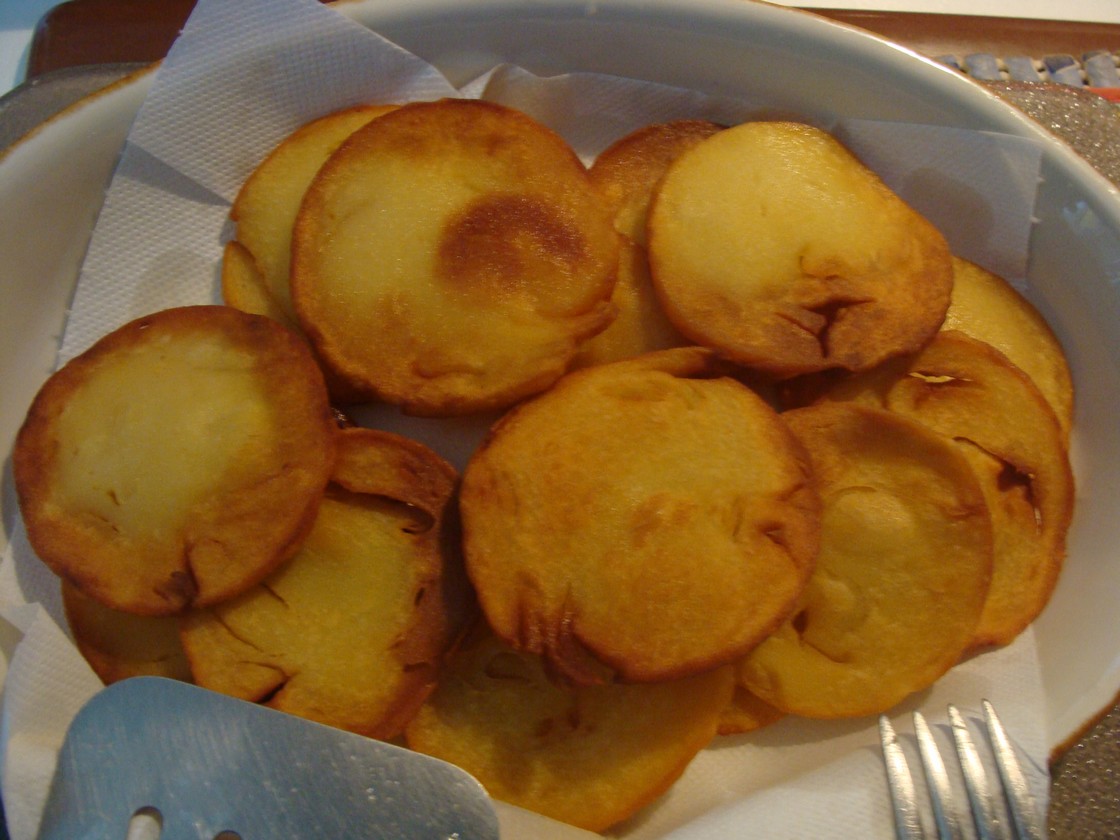
No eggs, no rolling, no potato. Chickpea flour is cooked like a thick polenta, poured into a tray, chilled until firm, then cut and pan-fried until golden with a crisp crust and yielding centre. The highest-fibre gnocchi alternative — and the most technically foolproof. Pair with bold sauces: it holds its own.
- 200 g chickpea flour (gram flour / besan)
- 750 ml cold water
- 1 tsp fine salt
- 2 tbsp olive oil (plus more for pan-frying)
- option 1 tsp smoked paprika + ½ tsp cumin — warm and savoury
- option 1 tbsp fresh rosemary, finely chopped — herbal, pairs with tomato
- option ½ tsp turmeric + ½ tsp black pepper — golden colour, earthy
- option plain — let the sauce do the work
- 3 tbsp olive oil
- optional 2 garlic cloves, left whole — infuse the oil
-
01
Mix the batter
Whisk the chickpea flour into the cold water in a medium saucepan — start with a small amount of water to make a smooth paste, then whisk in the rest. No lumps. Add the salt, olive oil, and any flavourings. Starting cold prevents lumps; adding flour to boiling water creates clumps that are hard to break up.
-
02
Cook the polenta Stir constantly
Place the pan over medium heat. Stir continuously with a wooden spoon or heatproof spatula as it heats. After about 5–7 minutes it will thicken dramatically and begin to pull away from the sides of the pan — this is what you want. Continue stirring for another 2–3 minutes until it is very thick and smooth, like a stiff polenta. Remove from heat. If it bubbles aggressively, reduce to medium-low — it will spit.
-
03
Set in a tray Plan ahead
Lightly oil a baking tray or shallow dish. Pour in the hot mixture and smooth to an even layer about 1.5–2 cm thick with a damp spatula or the back of a wet spoon. Leave to cool at room temperature for 15 minutes, then transfer to the fridge. Chill for at least 1 hour (2 is better) until completely set and firm to the touch. To freeze: wrap the set tray in cling film and freeze for up to 3 months.
-
04
Cut into pieces
Turn the set slab out onto a board and cut into rectangles or squares about 3×5 cm — or any size you prefer. Chickpea gnocchi are firmer than potato gnocchi so they hold any shape; squares pan-fry more evenly than rounds. Pat the cut surfaces dry with kitchen paper if they look wet.
-
05
Pan-fry until golden Don't move them
Heat olive oil in a wide non-stick or cast iron pan over medium-high. Add garlic cloves if using (remove before serving). Add the chickpea pieces in a single layer — don't crowd. Do not move them for 3–4 minutes until a proper golden-brown crust has formed underneath. Flip and cook the second side for 2–3 minutes. They should be crisp outside and yielding in the centre. Transfer to a plate lined with paper towel.
-
06
Sauce & serve
Serve immediately — pan-fried chickpea gnocchi lose their crust quickly if they sit in liquid. Add the sauce to the pan first, heat through, then gently nestle the gnocchi in rather than tossing aggressively. Alternatively, plate the gnocchi and spoon sauce over the top to keep the crust intact.